Perfection by Vincenzo Latronico, trans. by Sophie Hughes
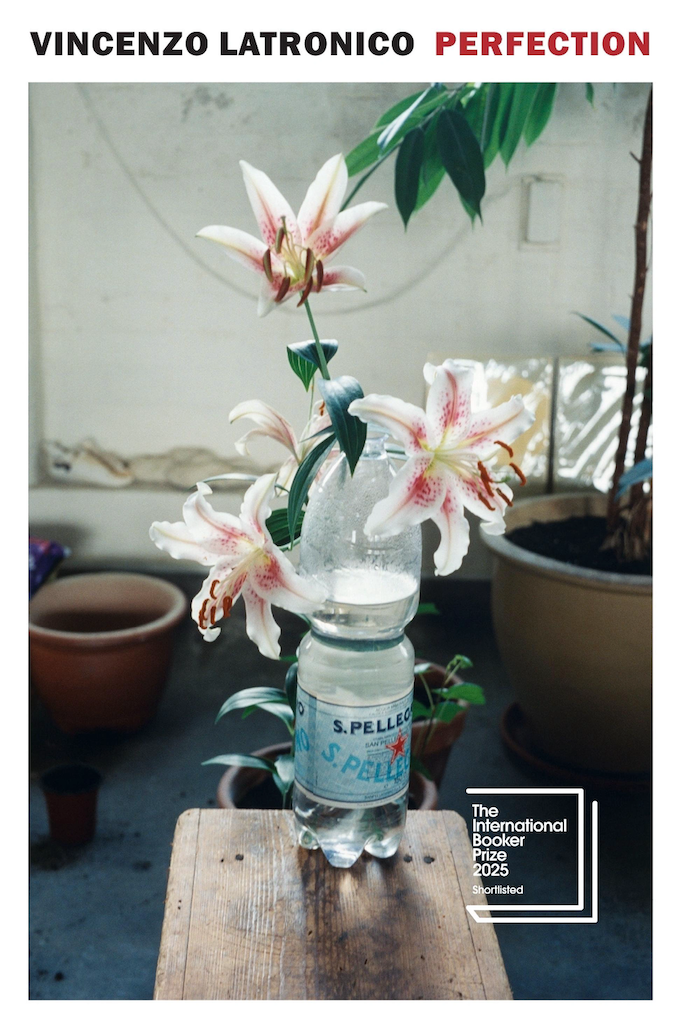
A year on since its publication in English, Vincenzo Latronico’s Perfection (2025) has become a sleeper hit in my friendship circles. The book is written as a tribute to Georges Perec’s 1965 novel Things, a story about a French couple ultimately becoming disillusioned after striving for a life of beautiful objects. In Perfection, young European creatives, Anna and Tom move to Berlin in the early 2010s to start a curated life of parties, fine wine and gallery openings. As they grow older, friends move away and the city is gentrified, life inevitably begins to feel shallow. Both books ask, why, when we have everything we could possibly want, do we still feel empty? But where Perec poses this question in the context of consumer desires, Latronico gives it a moral twist: what is that emptiness we feel when the world around us is on fire?
Tribute is right. Perfection is less a response to Things or the quest for authenticity under capitalism, as it is a re-casting of Perec’s novel. The narrative structure and stylistic elements are similar. Like Perec’s Jerôme and Sylvie, Anna and Tom are only referred to together as a unit (“Anna and Tom wondered what they were doing there”). Also like Perec, no dialogue is offered nor are other characters introduced in depth. Berlin is also referred to primarily through place names and landmarks, rather than descriptive detail, leaving the reader to visually piece together the backdrop; since I have never been to Berlin, the setting comes across as opaque. This placelessness feels odd given that the book trades on aesthetics, but it also indicates that Perfection aims at allegory and satire.
The book is ultimately not a specific story about specific people. Latronico prefers sketching scenes with generic signifiers – for example, a turntable, monstera plants, soft lighting and Scandi furniture drops us into an inner-city millennial home. As much as this sets the reader up to be pilloried as millennials with similar furnishings, the entire book is made up of these overly affected observations: “A vegan quiche was beautiful. A child needed money for chemo. Time disappeared.” Or “There was the restaurant where they used to eat poached eggs with Angeliki, who made a living subletting her two-bed apartment to Norwegian arts students”. This outlining of scenes and people captures a vibe, but it does not advance Latronico’s tribute. For Perec, the detached catalogue made sense. Consumer desire is legible from the outside; you can indict it by simply describing it. But Latronico’s project is more challenging. Perfection wants to interrogate the moral condition that accompanies an early 21st century internet-fuelled consumer lifestyle. In addition to having the right things, it is important Anna and Tom be doing the right thing.
Latronico satirises this desire to be good with some compassion. Anna and Tom do not eat tuna, they avoid taking Ubers when it’s bad weather and they know these are not actions that will change the world. The reader is in on the joke. We are impotent, we too perform small gestures knowing it takes more than this to live out our values. This fallibility is interesting and relatable. But this is also where the novel’s distanced narration does not always work. We do not get any closer to Anna and Tom’s internal worlds: the inner tensions, petty disputes, despair, optics, overwhelm, apathy or shame that also propel our actions in addition to the desire to be good. Unlike consumer desire, moral condition is not fully legible from the outside (the performative male trope can only go so far).
The noun-based style becomes particularly ineffectual in a long chapter describing Anna and Tom’s involvement in relief efforts to aid the 2015 European refugee crisis. The chapter relies on tropes of crowded boats and makeshift camps to depict the disaster that motivated Anna and Tom’s volunteerism: “dinghies being pitched about in rough seas and packed with dozens, sometimes hundreds of people wearing tattered life jackets, with straps flapping in the wind or no life jacket at all”. This is not a good proxy for the actual crises and suffering we see today. While we see Anna and Tom struggling to maintain their involvement and manage their helplessness – again, relatable – the specific events, the details of the conflict and the specific interiority that makes this moral condition so vexing and interesting is not there. This matters because how we live alongside ongoing atrocity is not abstract. The specific experience of being an informed, privileged person in 2015 or 2025 or 2026 watching the genocide in Gaza, famine in Sudan and the ongoing police violence and institutional racism at home produces contradictions and feelings that do not resolve neatly. Real anguish moves us at the same time that everyday obligations take us away from ‘doing good’, like the demands of work, exhaustion, the group chat that has moved on to something else and the sense that one person’s efforts are meaningless in the grand scale of things. Latronico does not fully eschew the difficulties of witnessing disaster – we can see Anna and Tom get swept up in political activism when the crisis is acute, before realising their diminishing helpfulness. But the novel does not enter the moral complexity, and for this reason, the chapter feels like a summary of an experience rather than the experience itself.
There is also the question of timing. Perfection was published in Italian in 2022 and was released in English in Australia through Text Publishing in 2025. The Berlin creative milieu it describes of gallery openings, expat dinner parties and the extended gap year as a kind of identity feels already belated. Are creatives even moving to Berlin anymore? The world Anna and Tom inhabit has been gentrified within the novel but also in real life. The book, then, is best read as a tribute to a particular strain of millennial anxiety that has since been replaced by other current anxieties.
Elena Tjandra was formerly the editor of Debris Magazine.