The Guest by Emma Cline
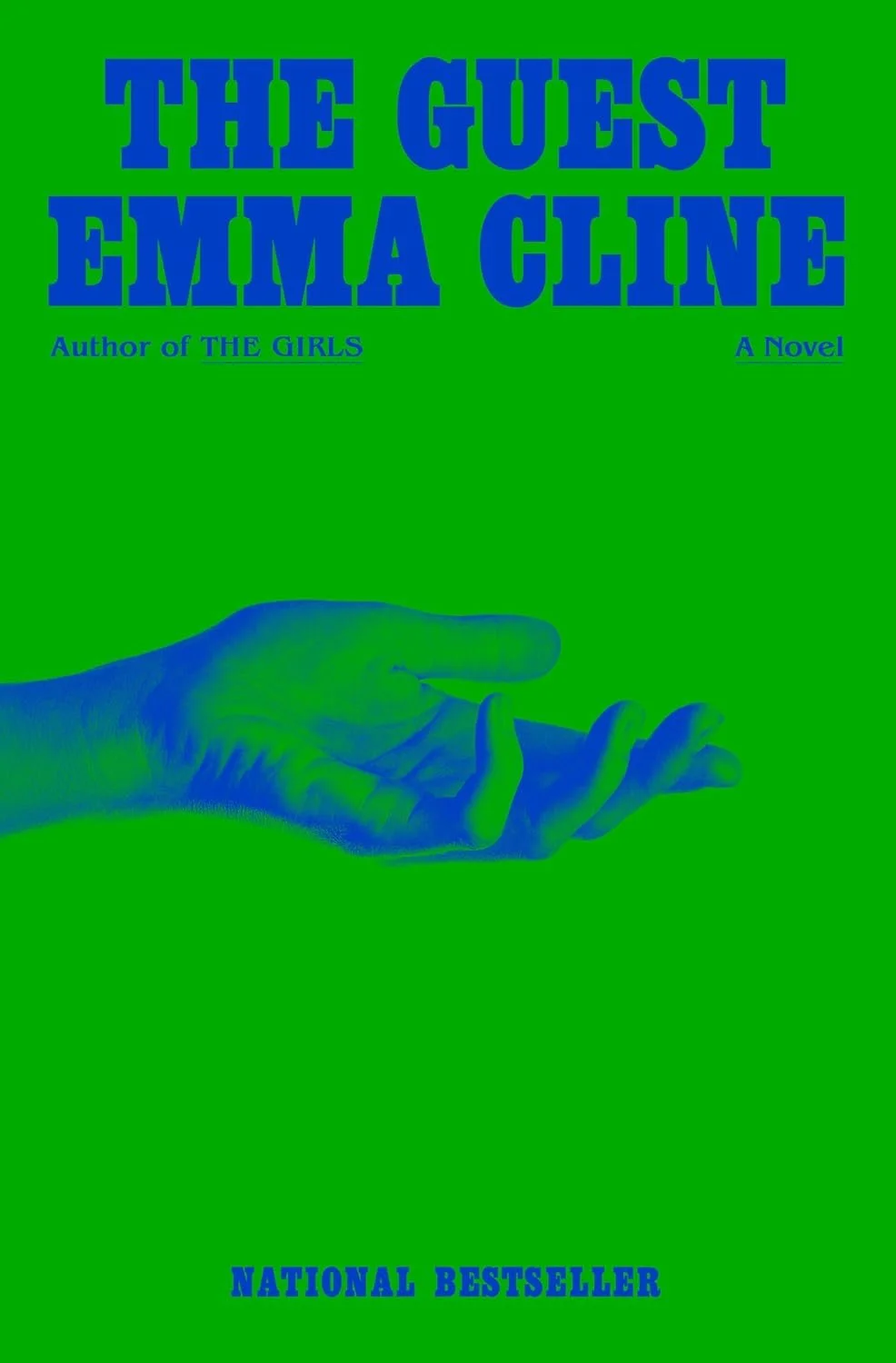
Set against the backdrop of a rapidly fading summer in Long Island, The Guest (2023) follows 22-year old protagonist Alex as she tries to survive the week before Labour Day. Ignoring some bad choices that have left her indebted to a dangerous man and with no place to live back in New York City, Alex, an escort, is staying with her wealthy boyfriend Simon in his holiday home. Or she was, before Simon’s assistant drops her off at the train station after she drops the ‘perfect and meek girlfriend’ facade at one of his friends’ parties.
Rather than go back to the city as instructed, Alex decides that she just needs to survive the following week on Long Island, and then she’ll surprise Simon at his annual Labour Day party, at which she is convinced he’ll take her back with open arms. And so begins Cline’s stressful exploration of what a young woman will do to secure the life of peace and ease that upper-upper class seem to live – one where everyday tasks and worries are delegated to someone else.
“Logistics were already crowding in, making her tired – this is what people like Simon got to avoid, the constant churn of anxieties somehow both punishingly urgent and punishingly boring.”
As the reader, we are privy to Alex’s money problems (she has none and owes an undisclosed ‘high amount’ to someone), work problems (work is dwindling as Alex feels she always does something to unravel a regular client), and addiction problems (as her stolen painkiller supply dwindles throughout the book, we feel her panic rising at the prospect of running out). Alex struggles. It’s because of these struggles that she’s so desperate for a taste of peace, for someone to take care of everything for her, that she’ll climb over anyone to secure it.
Alex is a fascinating character, one who repeatedly averts her eyes as to just how bad things really are, because if she doesn’t acknowledge the situation, then it means that everything will be okay. She just has to get to Labour Day, and all will be right in her world, the world she is supposed to live in. Surviving the next few hours is all that matters. Her sense of self is flimsy and liquid, and she adapts to whatever the situation demands.
“Alex had the sick sense that she was a ghost.”
Cline does such a wonderful job, as she does in her debut novel The Girls (2016), of creating an anxious and high-stakes environment without any real violence. While the things that Alex does to the side characters never involve physical harm, it’s clear that she doesn’t think beyond the immediate impact of her actions. She can only think of her end goal, of the fact that everything will be okay, which she repeats to herself like a mantra as she uses mere strangers around her as lifeboats.
Cline’s commentary on power dynamics in heterosexual relationships is layered. Alex and Simon are not a simple boy-meets-girl scenario. Within this we have the power dynamics that come with both money and age: Simon is a wealthy man 30 years Alex’s senior. Their relationship is founded on transactions, and not just in terms of the monetary side of things. Alex is aware of how she needs to act in order to maintain the peace, how she must change herself to ensure that Simon never has to scrutinise the relationship. When observing a side character, Cline writes:
“It made Alex uncomfortable, someone demanding love so overtly, showing all her cards. As if it were that easy, as if love were something you deserved and didn't have to scramble to earn.”
With an ending that I feared as the reader, the book sticks around, heavy like the summer. Despite her ill-intentioned actions, I couldn’t help but feel for Alex, almost endearing in her desperation.
In between exploring everything Melbourne has to offer and cooking new recipes at home, Heather loves to write about all the media she consumes. She reads a lot, but for some reason she can never seem to shorten her TBR list. Heather is currently working on a variety of fiction and hoping that a debut novel is in amongst them.